When Is the Best Tide for Beach Driving?
Low tide is best. The beach is widest and the sand is firmest near the waterline during low tide. Plan your trips for the two hours before and after low tide for the easiest driving conditions.
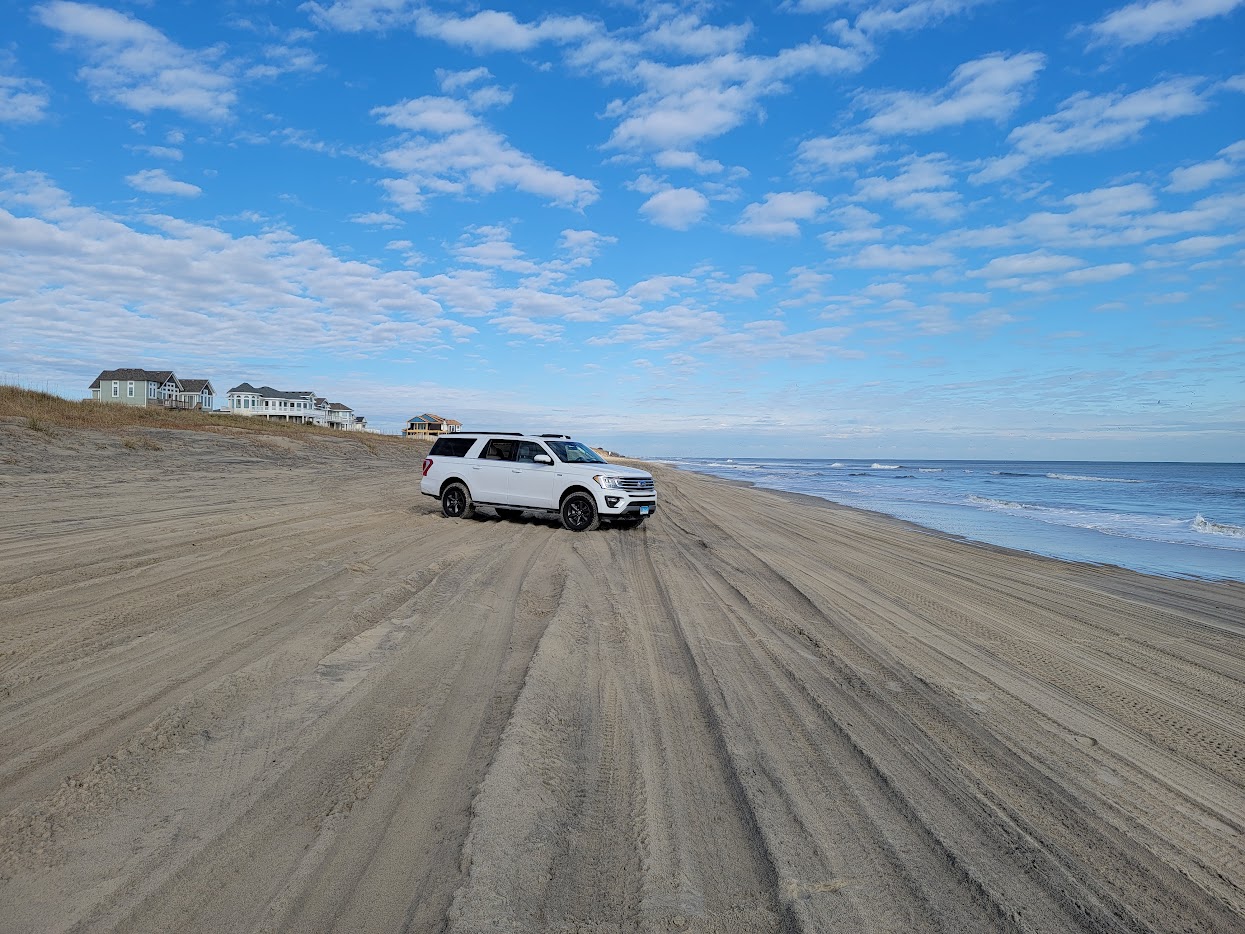
Why Tide Matters
The tide dramatically changes the beach you're driving on:
Low Tide
- Beach is at its widest—more room to maneuver
- Wet sand near the waterline is packed and firm
- Easier to avoid soft spots
- More space to pass other vehicles
High Tide
- Beach narrows significantly
- May be forced onto softer sand near the dunes
- Some areas can become impassable
- Higher risk of getting stuck
Check Before You Go
Look up tide charts for Corolla before heading to the beach. Search "Corolla NC tide chart" or use NOAA's tide predictions. Plan your beach access and return around low tide.
The Ideal Window
The best driving conditions typically occur:
- 2 hours before low tide to 2 hours after low tide
This 4-hour window gives you the firmest sand and widest beach. If you're making a day trip to see the horses, try to time your visit within this window.
Driving at High Tide
High tide doesn't mean you can't drive—it just requires more caution:
- Stay on the firmest sand you can find
- Keep momentum through soft spots
- Be prepared for narrower passages
- Watch for waves washing up higher than expected
If you're staying in Carova, you'll drive at all tides eventually. Low tide is easier, but experienced beach drivers handle high tide routinely.
Storm Surge and King Tides
Certain conditions can make beach driving dangerous regardless of the tide chart:
- Storm surge: Offshore storms push extra water onto the beach
- King tides: Exceptionally high tides during certain moon phases
- Strong onshore winds: Can push water higher up the beach
Check conditions before you head out, especially after storms or during full/new moons.