Where Did the Corolla Wild Horses Come From?
The Corolla wild horses are Colonial Spanish Mustangs, descendants of horses brought to the Americas by Spanish explorers in the 1500s. DNA testing confirms their Spanish heritage, making them one of the oldest and purest strains of Spanish horses in existence.
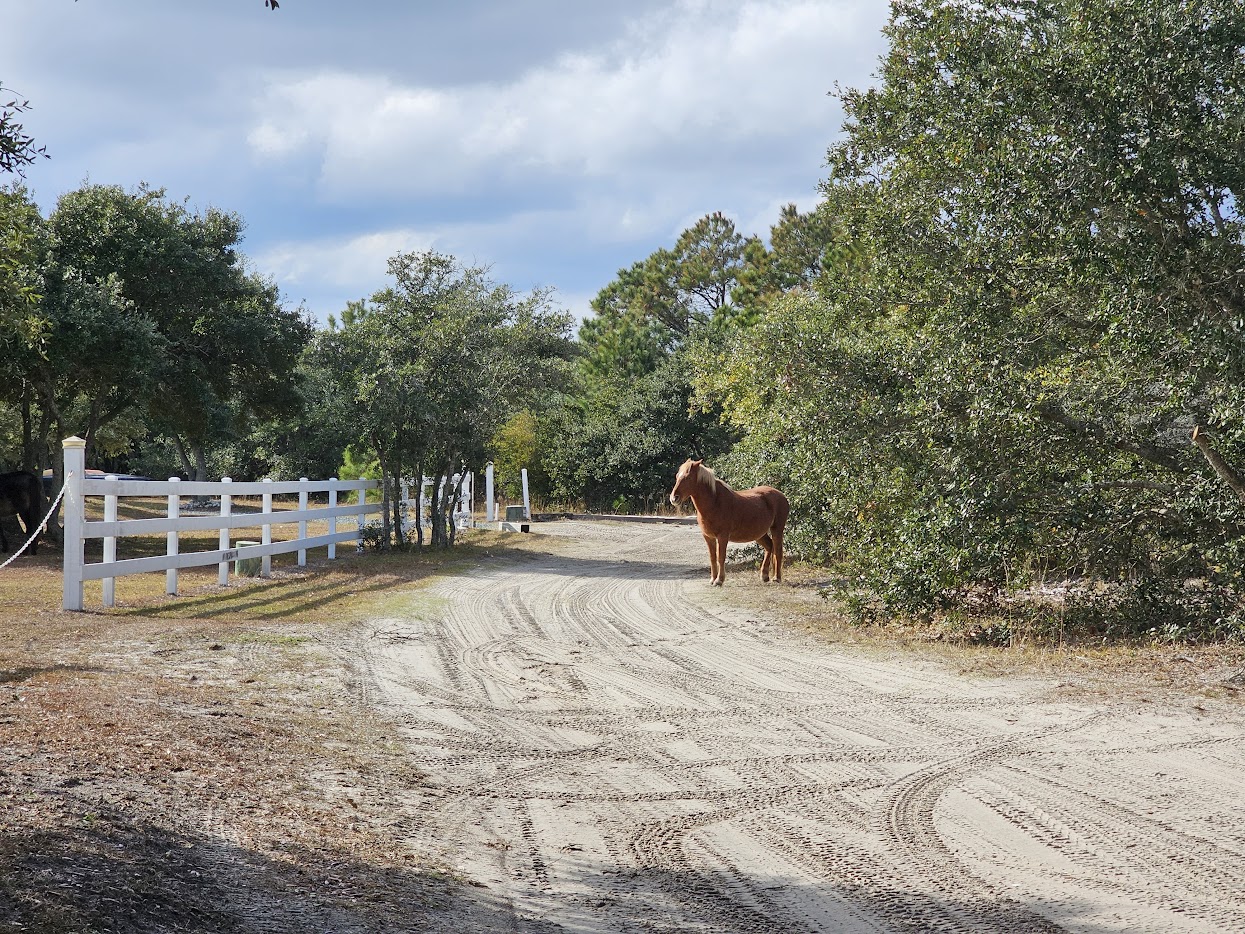
Spanish Origins
Spanish explorers began arriving on the southeastern coast of North America in the early 1500s. They brought horses—small, sturdy animals bred for the harsh conditions of the Spanish frontier. These horses were essential for exploration, warfare, and transport.
How the horses ended up on the Outer Banks is debated. The leading theories include:
- Shipwrecks: The Outer Banks are called "the Graveyard of the Atlantic" for good reason. Spanish ships carrying horses may have wrecked offshore, with horses swimming to safety.
- Abandoned expeditions: Spanish explorers may have intentionally left horses when expeditions failed or ships needed to lighten their loads.
- Early colonies: Short-lived Spanish attempts at colonization may have left horses behind.
Genetic Proof
DNA testing has confirmed what local lore always claimed: these horses are genuinely Spanish. Their bloodlines connect them to horses brought by conquistadors, making them direct descendants of some of the first horses in North America.
The Corolla herd shares genetic markers with other Colonial Spanish horse populations, including the Banker horses of Shackleford Banks and the wild horses of Assateague Island.
State Horse of North Carolina
The Colonial Spanish Mustang was designated as North Carolina's official State Horse in 2010. The Corolla herd is also recognized as a "cultural treasure" by the state, acknowledging their historical significance.
Adaptation Over Centuries
Over nearly 500 years, these horses adapted to life on the barrier islands:
- Diet: They survive on sea oats, marsh grasses, and other native vegetation
- Water: They can drink brackish water that would make other horses sick
- Size: They're smaller than typical horses, averaging 12-14 hands
- Hardiness: They withstand hurricanes, nor'easters, and extreme temperatures
The Herd Today
About 100 horses currently live in the Corolla/Carova area, managed by the Corolla Wild Horse Fund. Scientists recommend a population of 120-130 to maintain genetic diversity. The Fund works to protect the herd while managing their numbers and health.